Tapping into Groundwater: The Ultimate Guide to Effective Borehole Drilling Practices
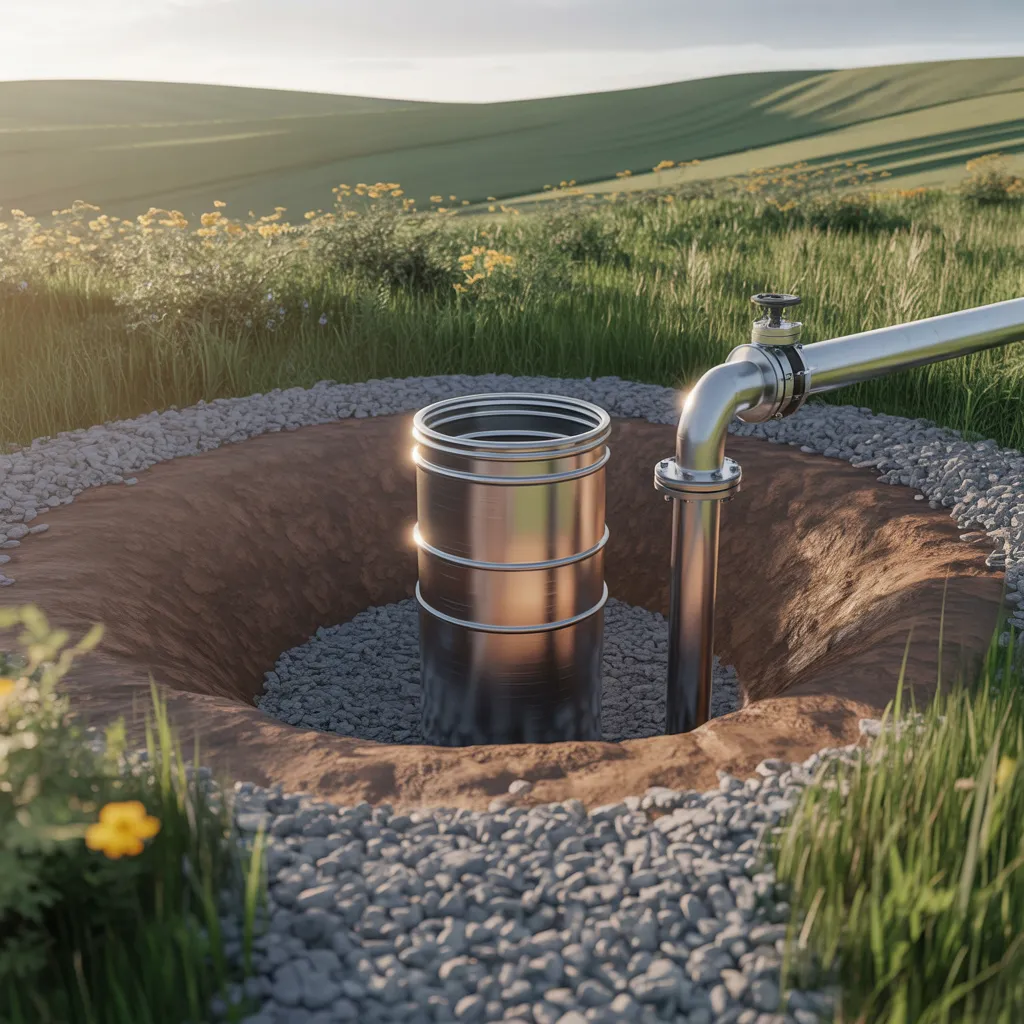
Groundwater represents a vital resource for numerous communities. Effective borehole drilling methods are crucial for reaching this water source. Understanding site selection, equipment choices, and drilling methods can greatly influence the success of the endeavor. However, challenges such as environmental impact and safety protocols must also be considered. What strategies can enhance both water yield and sustainability? The answers lie in the following sections.
Understanding Groundwater: Its Significance
Groundwater plays an essential role in sustaining ecosystems, agriculture, and human populations. It serves as a significant source of fresh water, accounting for nearly 30% of the world's freshwater supply. This resource is particularly important in arid regions where surface additional info water is scarce. Groundwater sustains plant life, preserves animal habitats, and regulates stream flows, ensuring environmental equilibrium.
In agriculture, groundwater remains crucial for irrigation, allowing for crop production in regions with scarce rainfall. Its availability has a direct impact on food security and economic stability. Additionally, groundwater is typically a primary source of drinking water for communities, highlighting its importance for public health.
Understanding groundwater dynamics—such as aquifer characteristics, recharge levels, and the consequences of pollution—is vital for sustainable management. Sound practices safeguard that this invaluable resource is protected for future generations, emphasizing the need for responsible use and conservation efforts within the context of growing demand and environmental challenges.
Critical Criteria for Picking Borehole Positions
Selecting suitable borehole sites demands a detailed understanding of geological surveys, as these assessments inform the viability of groundwater sources. Furthermore, proximity to existing water sources can substantially boost efficiency and reduce costs. Finally, evaluating accessibility and terrain is essential to guarantee that drilling operations can be conducted effectively and safely.
The Importance of Geological Surveys
When performing borehole drilling, the importance of thorough geological surveys remains vital, as they provide critical insights into subsurface conditions. These surveys help determining the geological formations present, their features, and the potential challenges that may develop during drilling. Understanding the types of soil and rock layers contributes to selecting ideal drilling techniques and equipment. Furthermore, geological surveys can discover information about groundwater flow patterns and potential contamination sources, which are crucial for ensuring the safety and efficiency of the operation. By examining the geological characteristics of a site, drillers can mitigate risks, cut costs, and boost the likelihood of successful water extraction, ultimately making geological surveys an vital step in the borehole drilling process.
Distance From Water Sources
Distance from water sources constitutes an essential factor impacting the choice of borehole sites, as it directly impacts the feasibility and success of water extraction operations. Sites placed near rivers, lakes, or existing groundwater wells often yield higher success rates due to the increased chance of encountering aquifers. Additionally, evaluating the hydrological characteristics of the area, such as recharge rates and seasonal fluctuations, is vital. Borehole placement should factor in the potential for sustainable water withdrawal without depleting nearby sources. This strategic positioning not only increases efficiency but also decreases the risk of environmental degradation. Finally, proximity to water sources serves as a fundamental factor in identifying ideal locations for borehole drilling, facilitating effective water management practices.
Accessibility Plus Terrain Analysis
The assessment of accessibility and terrain is paramount in the selection of borehole sites, particularly following the consideration of water source proximity. Terrain characteristics, such as slope, soil type, and vegetation, considerably influence drilling feasibility and equipment transport. Sloped or precarious ground may impede machinery access, escalating operational costs and risks. Moreover, the presence of natural obstacles, like rivers or dense forests, can challenge the logistics involved in borehole installation. Accessibility also includes legal factors, such as land ownership and zoning regulations, which can limit site selection. Ultimately, a thorough assessment of these elements ensures that borehole drilling operations move forward effectively and efficiently, reducing potential delays and maximizing resource utilization. A strategically chosen site boosts the overall success of groundwater extraction efforts.
Selecting the Appropriate Tools for Drilling
Choosing the right equipment for borehole drilling is essential for achieving project success. This section will provide an overview of the various types of drilling equipment available, as well as highlight vital features that should be considered during the selection process. Understanding these factors confirms that the chosen tools align with specific drilling requirements and site conditions.
Overview of Equipment Categories
Selecting the right equipment for borehole drilling is essential for the success of any project. Various types of drilling rigs are available, each designed for specific geological conditions and project requirements. Rotary drilling rigs, commonly used for deep boreholes, utilize a rotating drill bit to penetrate hard rock. Conversely, percussion drilling rigs employ a hammering action, making them appropriate for softer formations. Additionally, auger drilling machines are effective for shallow boreholes in unconsolidated soil. Portable drilling rigs offer flexibility for remote locations, while larger, stationary rigs provide greater power and depth capability. Understanding the diverse equipment types enables project managers to select the most suitable tools, ultimately improving efficiency and effectiveness in borehole drilling operations.
Key Features to Consider
When examining equipment for borehole drilling, multiple essential features must be taken into account to achieve peak performance. The drilling rig's power source is critical; diesel, electric, or hydraulic systems each have individual advantages. The type of drill bit also affects efficiency, with options like tricone or PDC bits tailored for specific geological conditions. Moreover, the rig's mobility and size can impact accessibility to remote sites. Water management systems are crucial for maintaining drilling fluid properties, while safety features such as emergency shutdowns and protective barriers boost operational security. Lastly, compatibility with additional tools and technology, like GPS and telemetry systems, can optimize drilling accuracy and data collection, delivering a more successful borehole installation.
How to Optimize Water Yield in Borehole Drilling
Maximizing water yield in borehole drilling necessitates a strategic approach that incorporates multiple techniques and considerations. Initially, selecting the right drilling location is crucial; this involves conducting geological surveys to identify aquifers and water-rich formations. Moreover, the depth of the borehole must be carefully established to access these water sources efficiently.
Utilizing proper drilling techniques, such as rotary drilling or percussion drilling, can enhance the effectiveness of the process. The use of superior casing materials also plays a substantial role in ensuring borehole integrity and avoiding contamination.
Additionally, utilizing correct well development techniques, such as surging and pumping, can aid in removing debris and enhancing water flow. Ultimately, regular evaluation and maintenance of the borehole guarantee sustained water yield over time. By adhering to these practices, one can markedly optimize water yield during borehole drilling.
Borehole Drilling Techniques Explained
Several borehole drilling techniques play a vital role in guaranteeing efficient access to groundwater resources. Among the most common methods are rotary drilling, percussion drilling, and auger drilling. Rotary drilling entails using a rotating drill bit to penetrate the earth, making it ideal for deep boreholes in various geological formations. Percussion drilling, on the other hand, employs a hammering action to break through hard rock, which is efficient in areas with rocky substrates. Auger drilling implements a helical screw to remove soil and rock, making it ideal for shallow boreholes in softer ground. Each method has its advantages and is chosen based on factors such as soil type, depth requirements, and project budget. Understanding these procedures enables drillers to identify the most appropriate approach, finally leading to successful groundwater extraction while optimizing the drilling process.
Approaches to Lessen Environmental Impact During Drilling Processes
Minimizing environmental impact during borehole drilling requires meticulous planning and implementation of best practices. To begin, selecting an appropriate drilling site reduces disruption to existing ecosystems. Conducting environmental assessments helps identify sensitive areas that should be protected.
Using sophisticated drilling technologies can minimize noise and vibration, lessening the influence on wildlife. Deploying mud recycling systems can lower waste generation and stop contamination of adjacent soil and water sources.
Moreover, maintaining appropriate waste disposal methods secures that hazardous materials are handled responsibly, thereby shielding local habitats. Using silt fences and other erosion control methods can avert sediment runoff into nearby waterways.
Ultimately, partnering with local communities and stakeholders cultivates transparency and collaboration, permitting shared insights on environmental stewardship. Using these strategies, borehole drilling can be performed with reduced ecological footprints, supporting sustainable water resource management.
What Safety Measures Should You Implement in Borehole Operations?
What safety protocols are crucial for guaranteeing the well-being of workers during borehole operations? Most importantly, implementing personal protective equipment (PPE) is critical. This includes safety helmets, gloves, protective eyewear, and steel-toed boots to shield workers from potential hazards. Additionally, operators should execute comprehensive site assessments to detect and minimize risks such as unstable terrain, nearby traffic, or hazardous materials.
Consistent safety training sessions are vital for training personnel about emergency procedures, equipment handling, and environmental awareness. Employing a competent supervisor on-site assists in maintain adherence to safety standards and facilitates prompt responses to any incidents.
Furthermore, preserving clear communication between all team members is crucial to guarantee that everyone is knowledgeable about their roles and any evolving site conditions. By focusing on these safety protocols, organizations can considerably reduce the risk of accidents, guaranteeing a safer working environment during borehole operations.
Maintenance and Oversight of Boreholes
While the initial drilling of a borehole is vital, its prolonged functionality depends greatly on regular maintenance and monitoring. Scheduled assessments confirm that the borehole remains effective and safe for use. Key components to monitor include water quality, flow rate, and structural integrity. Regular water testing enables the detection of contaminants or changes in chemical composition, which can influence both human health and the surrounding ecosystem.
In addition, physical checks should be carried out to identify any signs of wear or damage to the borehole casing and nearby infrastructure. This proactive maintenance can mitigate costly repairs or hazardous conditions in the future.
In addition, keeping accurate records of maintenance activities and monitoring results facilitates timely decision-making regarding necessary interventions. Developing a monitoring schedule and employing advanced technology, such as sensors, can enhance the efficiency of borehole management, securing sustainable access to groundwater resources over time.
Resolving Frequent Borehole Drilling Problems
Detecting and tackling common challenges during borehole drilling is crucial for ensuring a successful project outcome. Problems such as equipment malfunction, inadequate soil conditions, and unexpected groundwater levels can hinder progress. Equipment breakdowns, often resulting from insufficient maintenance or improper handling, require immediate attention to minimize downtime.
Inconsistent soil types can result in complications in drilling, necessitating adjustments in technique or equipment. Contractors should be ready to transition to specialized tools or adjust drilling methods according to real-time soil analysis.
Furthermore, shifting groundwater levels can cause considerable challenges, possibly modifying the predicted yield of the borehole. Tracking water levels consistently during drilling assists in making well-informed decisions about drilling depth and methodology.
Frequently Asked Questions
How Deep Should a Borehole Be for Optimal Water Access?
For optimal water access, a borehole should usually be drilled between 30 to 150 meters deep, according to local geology and groundwater levels, providing sufficient yield while limiting costs and environmental impact throughout the process.
What Permissions Are Required for Borehole Drilling?
Borehole drilling often requires permits from authorities at the local or regional level, including water usage permits and environmental assessments. Following regulatory requirements guarantees sustainable practices and protects groundwater resources, emphasizing the significance of proper legal procedures before drilling starts.
How Long Does the Borehole Drilling Process Typically Take?
The drilling process for boreholes generally takes approximately several hours to a few days, depending on variables including equipment type, soil conditions, and target depth. Each project presents distinct challenges that can impact project duration significantly.
What Are the Price Factors for Borehole Drilling?
Costs tied to borehole drilling can range widely, usually extending from a few thousand to tens of thousands of dollars. Aspects determining pricing include depth, soil composition, and tools employed during the drilling process.
Can Borehole Drilling Be Done in Urban Areas?
Certainly, boreholes are able to be drilled in urban areas, though challenges such as existing infrastructure, regulatory requirements, and space constraints may occur. Proper planning and adherence to local regulations are vital for effective drilling in these areas.